Champaign/Urbana
Bloomington/Normal
Lic: 104-017259
design your own roof
Financing Available!
Request a Free Quote
Champaign/Urbana
Bloomington/Normal
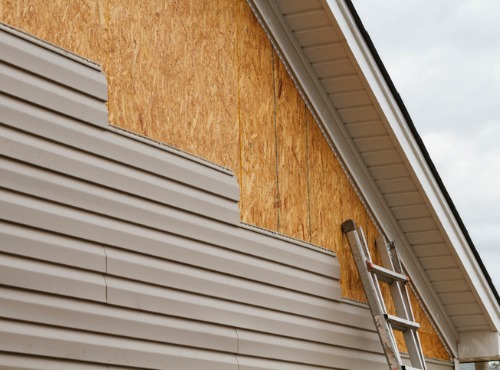
Choosing the right siding material in Central Illinois is not just a design decision. It is a durability, maintenance, and climate performance decision. Homes in this region experience temperature extremes, high winds, seasonal storms, humidity shifts, and freeze–thaw cycles that place constant stress on exterior materials. Midwest weather patterns—including strong spring storms, hail events, and rapid seasonal temperature swings—regularly test the durability of exterior siding systems.
The best siding choice balances weather resistance, longevity, energy efficiency, and maintenance requirements. Many homeowners begin researching siding materials when their current siding shows signs of age, storm damage, or rising maintenance costs.
Homeowners throughout Champaign-Urbana, Bloomington-Normal, Farmer City, and surrounding Central Illinois communities often compare several siding materials before deciding which option will perform best for their home.
Before comparing siding materials, it is important to understand what exterior cladding must withstand in this region.
Central Illinois homes commonly face environmental conditions that affect how siding performs over time:
Materials that perform well in stable climates may degrade more quickly when repeatedly expanding, contracting, and absorbing moisture. Siding systems in Illinois must also handle wind-driven rain and rapid freeze–thaw movement that can stress fasteners, seams, and trim components. This is why many homeowners in Central Illinois eventually consider siding replacement or upgrades designed for Midwest weather conditions.
Vinyl siding remains one of the most widely used siding options in Illinois because it offers an attractive balance between cost, durability, and low maintenance.
Vinyl siding handles humidity and precipitation well, making it suitable for regions with seasonal moisture. Quality products are designed to tolerate temperature changes without cracking when installed correctly.
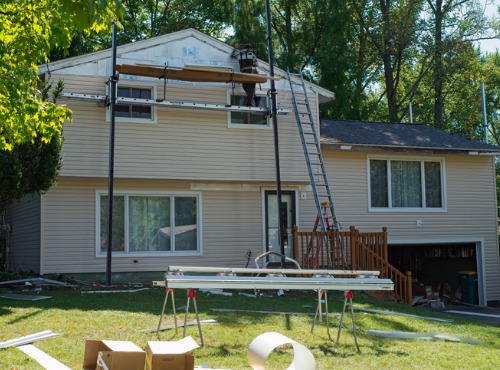
Lower-quality vinyl siding can warp under extreme heat or become brittle in severe cold. Choosing high-quality materials and proper installation is critical for long-term performance. Working with an experienced siding contractor helps ensure the product is installed correctly and performs as expected for decades.
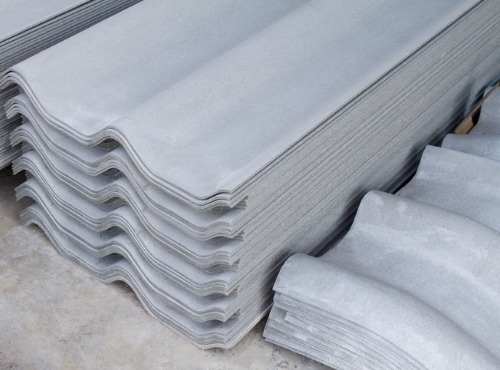
Fiber cement siding is engineered for structural resilience. It is made from a combination of cement, sand, and cellulose fibers that create a rigid, highly durable exterior material.
Fiber cement performs extremely well in environments with freeze–thaw cycles and temperature swings. It resists warping, swelling, and moisture damage better than many other siding materials.
For homeowners prioritizing longevity and structural reliability, fiber cement siding is often considered a premium option, particularly when installed by contractors experienced with fiber cement systems.
Engineered wood siding provides the visual warmth of traditional wood while incorporating treatments that improve durability and moisture resistance.
Modern engineered wood siding products are designed to withstand humidity and seasonal weather changes when properly installed and maintained.
Compared to vinyl siding, engineered wood may require:
This material appeals to homeowners who want a traditional look without many of the vulnerabilities associated with natural wood siding. Professional installation and moisture management are especially important for engineered wood products.
Metal siding, typically aluminum or steel, is less common on residential homes but provides strong durability and weather resistance.
Metal siding performs well against wind, temperature fluctuations, and moisture exposure. However, insulation considerations, structural compatibility, and professional installation requirements should be evaluated before installation.
Selecting the right siding material is only part of the decision. Long-term performance also depends on proper installation and environmental exposure.
Key factors include:
There is no single “best” siding material for every home. However, general guidance often looks like this:
The best option ultimately depends on budget, home design, maintenance preferences, and whether the project involves siding repair, replacement, or a full exterior upgrade.
Siding systems function as a protective envelope for the entire structure. Poor installation practices can lead to moisture problems, insulation loss, and premature deterioration.
Working with an experienced contractor helps ensure:
Experienced exterior contractors understand how siding materials interact with insulation layers, framing, flashing, and ventilation. Properly installed siding should function as part of a complete exterior protection system rather than acting as the only barrier against moisture.
Popejoy Roofing helps homeowners throughout Champaign-Urbana, Bloomington-Normal, Farmer City, and surrounding Central Illinois communities evaluate siding materials and select options that perform well in the region’s climate.
If you are considering new siding installation or replacing aging siding, a professional evaluation can help determine which materials are best suited for your home.
Contact Popejoy Roofing to discuss siding options and schedule a consultation.
Fiber cement and metal siding typically provide the longest lifespans when installed and maintained properly.
Vinyl siding is widely considered one of the lowest-maintenance siding options available.
Yes. Proper siding installation combined with insulation and moisture barriers can improve a home’s overall energy efficiency.
Fiber cement, engineered wood, and quality vinyl siding products all perform well in climates with freeze–thaw cycles.